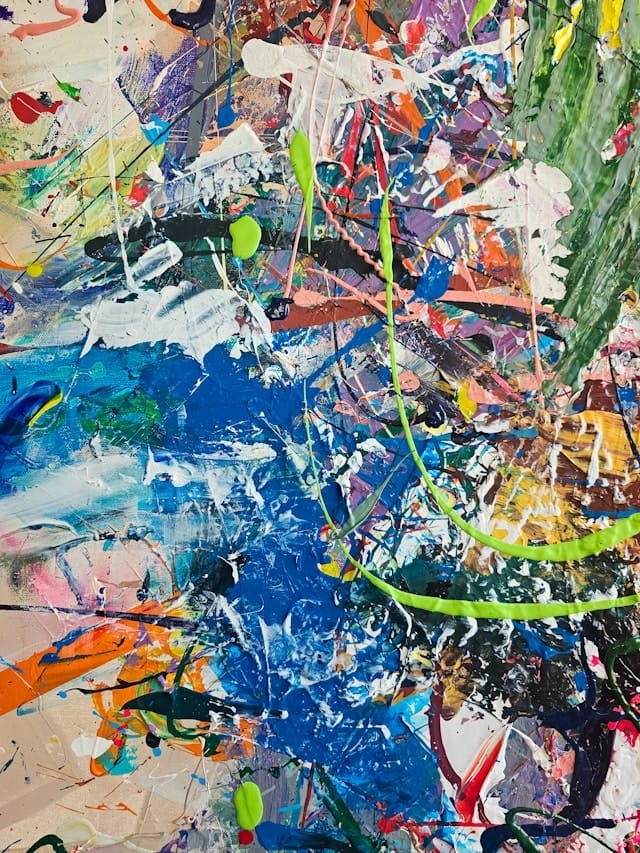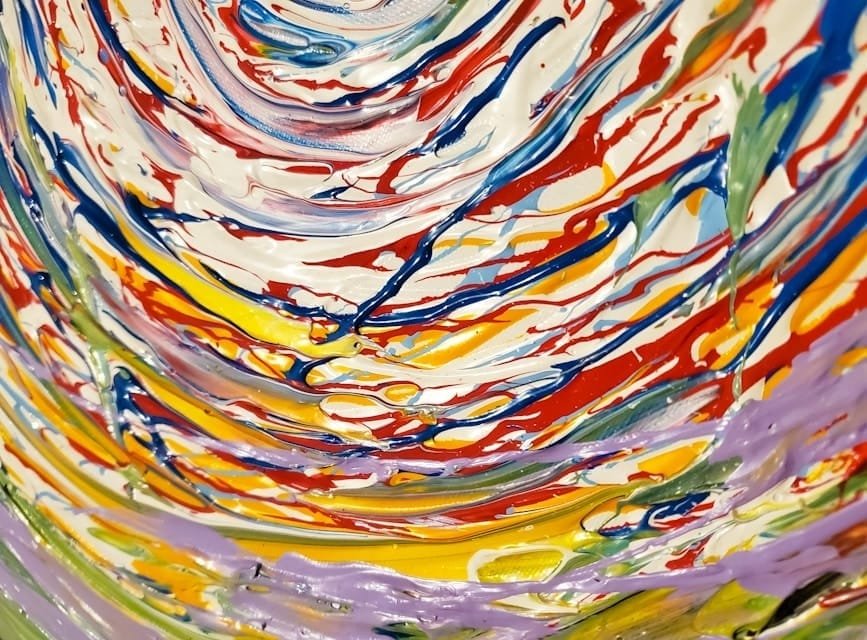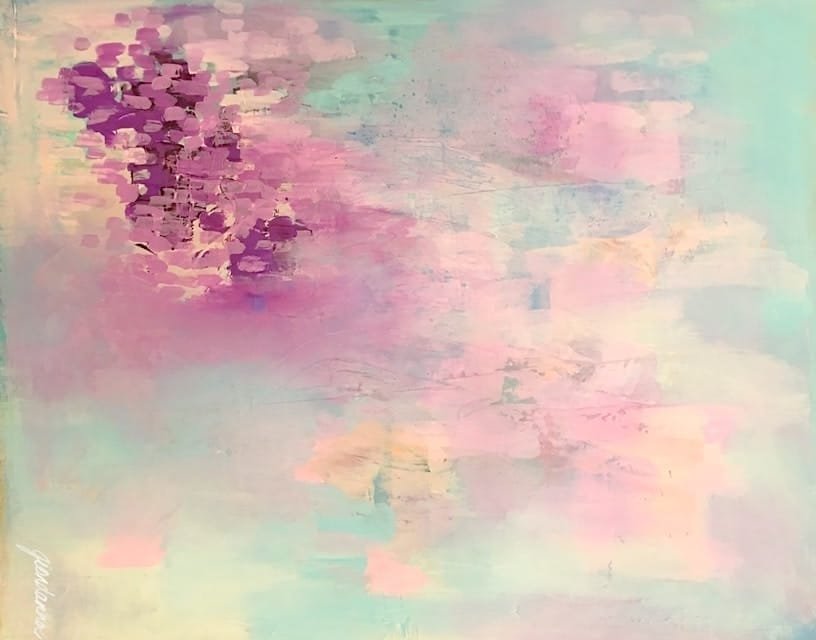
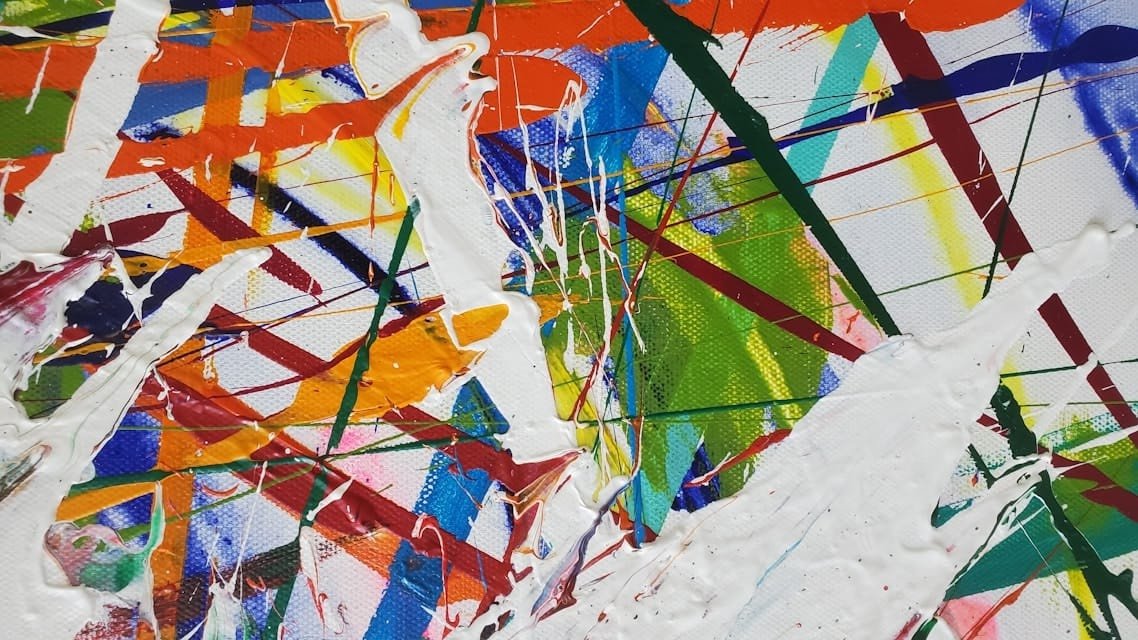
Illustration is more than decoration. It is a powerful form of visual storytelling that can communicate emotions, ideas, characters, and entire worlds without relying on long explanations.
A successful illustration does not simply show what something looks like. It helps the viewer understand what is happening, how a character feels, and why a moment matters. Through composition, color, perspective, texture, and symbolism, artists can guide the audience through a story one image at a time.
Why Illustration Is Such a Powerful Storytelling Tool
People often understand images faster than words. A single illustration can reveal a character’s personality, establish a location, create suspense, and communicate emotion within seconds.
Illustration also gives artists complete creative freedom. Unlike photography, an illustrator is not limited by physical locations, real-world lighting, or available objects. Imaginary cities, unusual creatures, distant planets, historical scenes, and abstract emotions can all be brought to life through artistic interpretation.
This freedom makes illustration especially valuable in:
- Children’s books
- Editorial publications
- Graphic novels
- Advertising
- Animation
- Concept art
- Educational materials
- Digital media
- Brand storytelling
1. Composition Guides the Viewer
Composition refers to the way visual elements are arranged within an artwork. It determines where the viewer looks first and how their attention moves through the image.
An illustrator may place the main character in the center to show importance or position them near the edge to create tension and uncertainty. Empty space can communicate loneliness, while crowded compositions may suggest energy, chaos, or pressure.
Strong composition helps the viewer understand the story even before they examine the smaller details.
Useful composition techniques include:
- The rule of thirds
- Leading lines
- Framing
- Visual balance
- Negative space
- Repetition
- Contrast
- Focal points
Every object should have a purpose. Even the position of a chair, shadow, tree, or window can contribute to the emotional meaning of the scene.
2. Color Creates Mood and Emotion
Color is one of the most effective storytelling tools available to an illustrator. It can immediately change the emotional atmosphere of an image.
Warm colors such as red, orange, and yellow may communicate excitement, passion, comfort, or danger. Cooler tones such as blue, green, and violet can suggest calmness, sadness, mystery, or distance.
Artists can also use color changes to show the development of a story. A scene may begin with dull, muted shades and gradually become brighter as the character gains hope. In another story, cheerful colors may slowly disappear as tension increases.
A carefully chosen color palette helps create consistency and gives the story a recognizable visual identity.
3. Character Design Reveals Personality
A well-designed character should communicate something about their personality before they even speak.
Facial expressions, body language, clothing, posture, hairstyle, and accessories all provide clues about who the character is. A confident character may stand upright with open gestures, while a nervous character may avoid eye contact and keep their body closed.
Illustrators often exaggerate certain features to make personalities easier to understand. Large expressive eyes may create innocence, while sharp shapes and strong shadows may make a character appear dangerous or mysterious.
Character design becomes more effective when appearance and personality support each other.
4. Facial Expressions Communicate Emotion
Facial expressions are essential when telling stories through people or characters. Small changes in the eyebrows, eyes, mouth, and head position can completely alter the meaning of a scene.
A smile may communicate happiness, but it can also suggest nervousness, dishonesty, relief, or hidden sadness depending on the surrounding context.
Illustrators should study real expressions and observe how emotions affect the whole face. Strong emotional storytelling usually comes from subtle and believable details rather than exaggerated expressions alone.
5. Body Language Adds Meaning
The body often communicates what a character is unwilling or unable to say.
Folded arms may suggest defensiveness. Leaning forward may show interest or urgency. A lowered head may indicate sadness, shame, or exhaustion.
The distance between characters is also important. Two people standing close together may appear connected, while physical separation can communicate conflict or emotional distance.
Body language helps create more natural and meaningful scenes, especially when no written dialogue is present.
6. Perspective Shapes the Experience
Perspective determines how the viewer experiences the scene.
A high-angle view can make a character appear small, weak, or vulnerable. A low-angle view may make them seem powerful, threatening, or heroic. A close-up brings attention to emotion, while a wide shot reveals the environment and the character’s relationship with it.
Illustrators can use unusual viewpoints to make ordinary scenes feel dramatic. Looking through a doorway, from behind an object, or from the point of view of another character can create curiosity and emotional involvement.
Perspective is not only a technical drawing skill. It is also a storytelling decision.
7. Light and Shadow Build Atmosphere
Lighting helps establish time, location, mood, and focus.
Soft natural light can create warmth and comfort, while dramatic shadows may suggest mystery or danger. Bright light behind a character can create hope, while darkness surrounding them may communicate fear or isolation.
Artists can also use light to direct attention toward the most important part of the illustration. The brightest area often becomes the visual focal point.
By controlling highlights and shadows, illustrators can make a scene feel peaceful, romantic, frightening, magical, or cinematic.
8. Texture Makes the Story Feel Real
Texture gives illustration depth, atmosphere, and physical character.
Rough brushstrokes may create intensity and movement. Soft blended textures can communicate calmness or nostalgia. Grain, paper effects, scratches, and layered paint can make an artwork feel aged, handmade, or emotionally complex.
Texture can also help distinguish different materials such as wood, fabric, stone, metal, skin, and water.
The chosen texture should support the story. A gentle children’s illustration may benefit from soft watercolor washes, while a dark dramatic story may use heavy ink lines or rough digital brushes.
9. Symbolism Adds Hidden Meaning
Symbols allow illustrators to communicate deeper ideas without explaining them directly.
A broken mirror may represent identity or emotional damage. A bird may symbolize freedom. A closed door could suggest fear, limitation, or an unknown opportunity.
Colors, objects, animals, weather, and natural elements can all carry symbolic meaning. However, symbols should feel connected to the story rather than added without purpose.
When used carefully, symbolism encourages viewers to look longer and form their own interpretations.
10. Visual Sequence Creates Movement
In books, comics, and graphic narratives, storytelling often happens through a sequence of images.
Each illustration should connect naturally to the next. Changes in character position, viewpoint, scale, and composition help create visual movement.
A strong sequence usually includes:
- An establishing image
- A developing action
- An emotional reaction
- A turning point
- A conclusion or unresolved moment
The artist must decide which moments are important enough to show and which can be left to the viewer’s imagination.
11. Visual Metaphors Express Abstract Ideas
Some emotions and ideas are difficult to show literally. Visual metaphors allow illustrators to transform abstract concepts into understandable images.
For example, anxiety might be represented by tangled lines surrounding a character. Memory could appear as floating fragments. Time might be shown through fading objects, changing seasons, or repeated figures.
Visual metaphors are especially effective in editorial illustration, where artists often need to communicate complex social, emotional, or political ideas through one image.
12. Style Influences the Story
Every illustration style creates a different emotional response.
Minimal line art may feel elegant and thoughtful. Bold geometric illustrations can appear modern and energetic. Realistic painting may create emotional depth, while playful cartoon styles can make serious ideas feel more approachable.
The style should match the audience, subject, and purpose of the story. A successful illustrator does not choose a style simply because it looks attractive. The style should strengthen the message.
Combining Traditional and Digital Techniques
Many contemporary illustrators combine traditional and digital methods.
An artist may begin with pencil sketches, add watercolor or ink, scan the artwork, and then refine the image digitally. Others may create the entire illustration using tablets, digital brushes, and design software.
Traditional brushes, and design methods often bring natural texture and unpredictability, while digital tools offer flexibility, speed, and easy editing. Combining both approaches can produce distinctive and highly expressive results.
How to Improve Visual Storytelling Skills
Improvement comes through observation, experimentation, and regular practice.
Artists should study films, paintings, graphic novels, photography, theatre, and everyday human behavior. Watching how people move, react, and interact can provide valuable inspiration.
It is also helpful to create simple storytelling exercises. Try illustrating one emotion without using words, showing the same scene from three different viewpoints, or telling a complete story through five images.
Before creating the final artwork, ask:
- What is happening in this scene?
- What should the viewer feel?
- Who or what is most important?
- Where should the viewer look first?
- Does every visual element support the story?
- Can unnecessary details be removed?
These questions help turn a visually attractive image into a meaningful narrative.
Final Thoughts
The art of storytelling through illustration lies in making every visual choice intentional. Color, composition, character design, lighting, perspective, texture, and symbolism all work together to communicate meaning.
The most memorable illustrations do more than present a beautiful scene. They make viewers feel something, ask questions, imagine what happened before, and wonder what may happen next.
When technique and emotion come together, illustration becomes more than an image. It becomes a story that can be understood across languages, cultures, and generations.